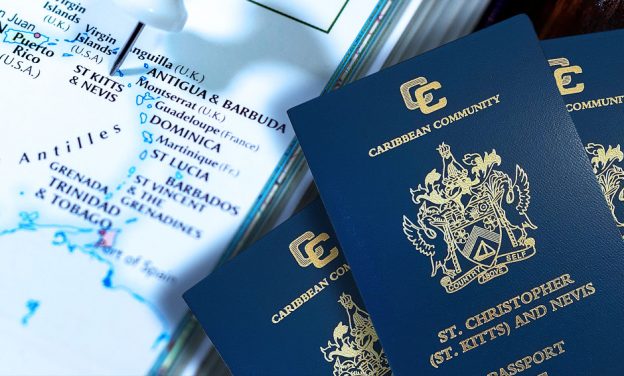

Caribbean second citizenship has become a strategic tool for globally mobile individuals seeking diversification, long-term flexibility, and geopolitical resilience. However, renewed travel restrictions, including a Caribbean Travel Ban introduced under President Donald Trump, have placed these programs under intensified scrutiny—raising questions about enforcement, compliance, and international cooperation.
Importantly, these measures do not target American citizens who hold Caribbean second citizenship while retaining their U.S. passport. Instead, Trump’s actions focus on foreign nationals using investment-based citizenship as a workaround to U.S. entry restrictions.
Understanding that distinction is critical. While political pressure affects how Caribbean second citizenship programs operate, it does not eliminate their value—nor does it restrict Americans who maintain U.S. citizenship and travel accordingly.
What Trump’s Caribbean Travel Ban Actually Do—and Do Not Do
In December, President Trump reinstated and expanded executive proclamations restricting entry into the United States for nationals of certain countries. Within that framework, the administration highlighted citizenship-by-investment programs as a potential enforcement concern.
According to the administration, individuals from restricted jurisdictions could acquire citizenship elsewhere, obtain a new passport, and apply for U.S. entry under that nationality—circumventing existing travel bans or sanctions.
However, the Caribbean Travel Ban applies only to individuals traveling on foreign passports. U.S. citizens—regardless of whether they also hold Caribbean second citizenship—remain unaffected when entering or exiting the United States using their American passport.
This distinction matters. Trump’s policy does not penalize dual citizens for holding a second nationality. Instead, it seeks to limit how non-U.S. nationals use alternative citizenships to access U.S. systems.
Which Caribbean Countries Are Specifically Affected
Trump’s proclamations do not target the Caribbean as a whole. Instead, they single out specific countries operating citizenship-by-investment programs that the administration claims have historically featured limited residency requirements.
The Caribbean countries explicitly named in connection with these concerns include:
Both countries operate long-established citizenship-by-investment programs that allow applicants to obtain citizenship without long-term physical residence. These programs also provide visa-free or visa-on-arrival access to more than 140 countries, including the Schengen Area.
Importantly, other Caribbean jurisdictions are not named in the proclamation, and the measures do not invalidate or suspend the affected programs themselves. Rather, they increase political and diplomatic pressure on these governments to demonstrate heightened due diligence and transparency.
Why Caribbean Second Citizenship Became a Policy Pressure Point
Caribbean second citizenship programs offer efficiency by design. They require limited physical presence, clear investment thresholds, and structured due diligence processes. For many investors, these features provide lawful access to global mobility and jurisdictional diversification.
From the Trump administration’s perspective, however, streamlined processes raise enforcement concerns—particularly when viewed through a border-control lens rather than an economic development framework.
As a result, the administration has applied political pressure on Caribbean governments, framing these programs as potential security vulnerabilities rather than sovereign economic tools.
Yet this framing does not equate to program illegitimacy. It reflects a policy choice, not a legal finding.
The Reality of Due Diligence Inside Caribbean Programs
Public narratives often overlook how significantly Caribbean citizenship programs have evolved.
Today, most Caribbean second citizenship programs require:
- Multi-layered background checks
- Mandatory third-party due diligence
- Detailed source-of-funds verification
- Biometric data collection
- Ongoing cooperation with international regulators
In practice, programs reject a meaningful percentage of applicants for compliance-related reasons alone. These are not unregulated systems operating outside global norms.
Nevertheless, Trump’s enforcement-first agenda places political emphasis on optics rather than nuance—particularly where minimal physical presence requirements exist.
Who Is Actually Affected by The Caribbean Travel Ban
To be clear, Trump’s actions primarily affect:
- Foreign nationals from restricted countries
- Applicants attempting to use second citizenship solely to access the U.S.
- Non-U.S. passport holders relying on visa-free entry privileges
They do not affect:
- Americans who retain U.S. citizenship
- Dual U.S.–Caribbean citizens traveling on U.S. passports
- Americans holding second citizenship for diversification, estate planning, or global mobility
This clarification is essential for investors evaluating Caribbean second citizenship. Holding a second passport does not diminish U.S. citizenship rights, nor does it expose Americans to travel restrictions when they comply with passport usage rules.
Political Enforcement Versus Structural Risk
Trump’s policy posture reflects broader border-control priorities rather than evidence of systemic flaws in Caribbean programs.
Similar investor-based residency and citizenship pathways exist across Europe, Asia, and the Middle East. However, Caribbean nations face disproportionate scrutiny because they lack the diplomatic leverage of larger economies.
This imbalance creates pressure—but it does not erase the economic rationale or legal standing of Caribbean second citizenship frameworks.
Caribbean Governments Adjust to the Travel Ban Without Capitulating
Caribbean governments have responded pragmatically. Rather than dismantling citizenship programs, they continue strengthening oversight mechanisms, raising investment thresholds, and expanding due diligence requirements.
These measures serve two purposes:
- They address international political pressure
- They preserve the long-term credibility of citizenship programs
For Caribbean nations, citizenship-by-investment revenues fund infrastructure, climate resilience, healthcare, and economic diversification. Abandoning these programs would undermine national development goals.
Why Caribbean Second Citizenship Still Matters in 2026
Despite political pressure, Caribbean second citizenship remains relevant for non-U.S. nationals and globally mobile individuals seeking:
- Visa-free travel diversification
- Banking and financial access
- Jurisdictional optionality
- Intergenerational planning tools
For Americans, second citizenship functions differently. It serves as a supplement, not a replacement. U.S. citizens retain full rights and protections when using their American passport, while holding a second nationality for broader strategic flexibility.
This distinction explains why experienced advisory firms like Apex Capital Partners emphasize long-term structuring and compliance alignment rather than tactical passport acquisition.
Physical Presence Requirements and Political Optics
Minimal physical presence requirements remain a focal point of political criticism. While these structures do not inherently weaken oversight, they attract attention in enforcement-driven narratives.
As a result, investors should expect ongoing discussions around:
- Increased residency obligations
- Post-naturalization compliance reviews
- Enhanced data-sharing agreements
These adjustments aim to satisfy geopolitical optics while preserving program viability.
Strategic Guidance for Investors
For those considering Caribbean second citizenship, clarity matters more than urgency.
Successful applicants:
- Understand which passport governs which rights
- Maintain full transparency throughout the process
- Work with licensed, government-authorized advisors
- Align citizenship planning with tax, estate, and mobility strategies
This approach mitigates political risk while preserving long-term value.
A More Regulated—but Still Viable—Future
Trump’s renewed travel restrictions place pressure on Caribbean citizenship programs, but they do not invalidate them. Instead, they accelerate a shift toward higher standards, greater oversight, and institutional legitimacy.
For Americans retaining U.S. citizenship, these developments do not restrict travel or rights. For non-U.S. nationals, they reinforce the need for compliant, well-structured citizenship planning.
Understanding the Real Impact of Trump’s Caribbean Travel Ban
Caribbean second citizenship now operates under heightened political scrutiny driven by U.S. enforcement priorities. However, scrutiny does not equal prohibition.
Those who understand who these policies affect—and who they do not—can navigate this environment with confidence. In a world of tightening borders and politicized mobility, informed strategy remains the most valuable passport of all.